-
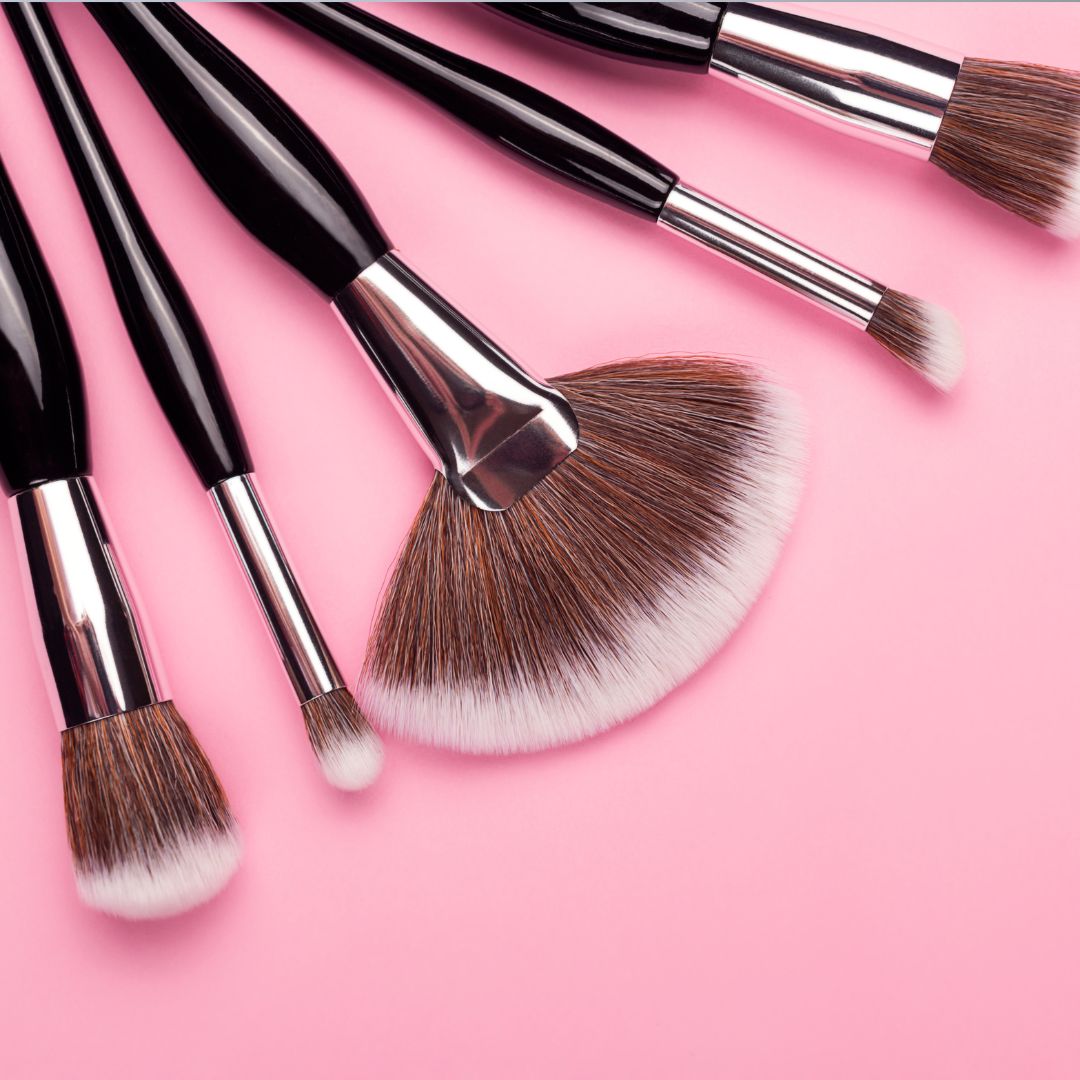
Makeup Brush Cleaning for Skin Health
Skincare, a pivotal part of personal hygiene and self-care, extends beyond our choice of products. It also encompasses the […]
-

Nicotine and Your Skin
The harmful effects of smoking and nicotine on cardiovascular and pulmonary health are well understood and widely communicated […]
-

The Remarkable Journey of Botox
In the realm of medical and cosmetic advancements, few inventions have stood the test of time with the same impact and versatility as […]
-

Men's Vs Women's Skin
How does that adage go? "Men are from Mars, and women are from Venus?" There are a few things that are different between men and women, and […]
-

Stages of Aging in the Face
Aging - it's an inevitable reality and an eloquent testimony to the life we've lived. As we gather wisdom and experiences, we also witness the evolution […]
-
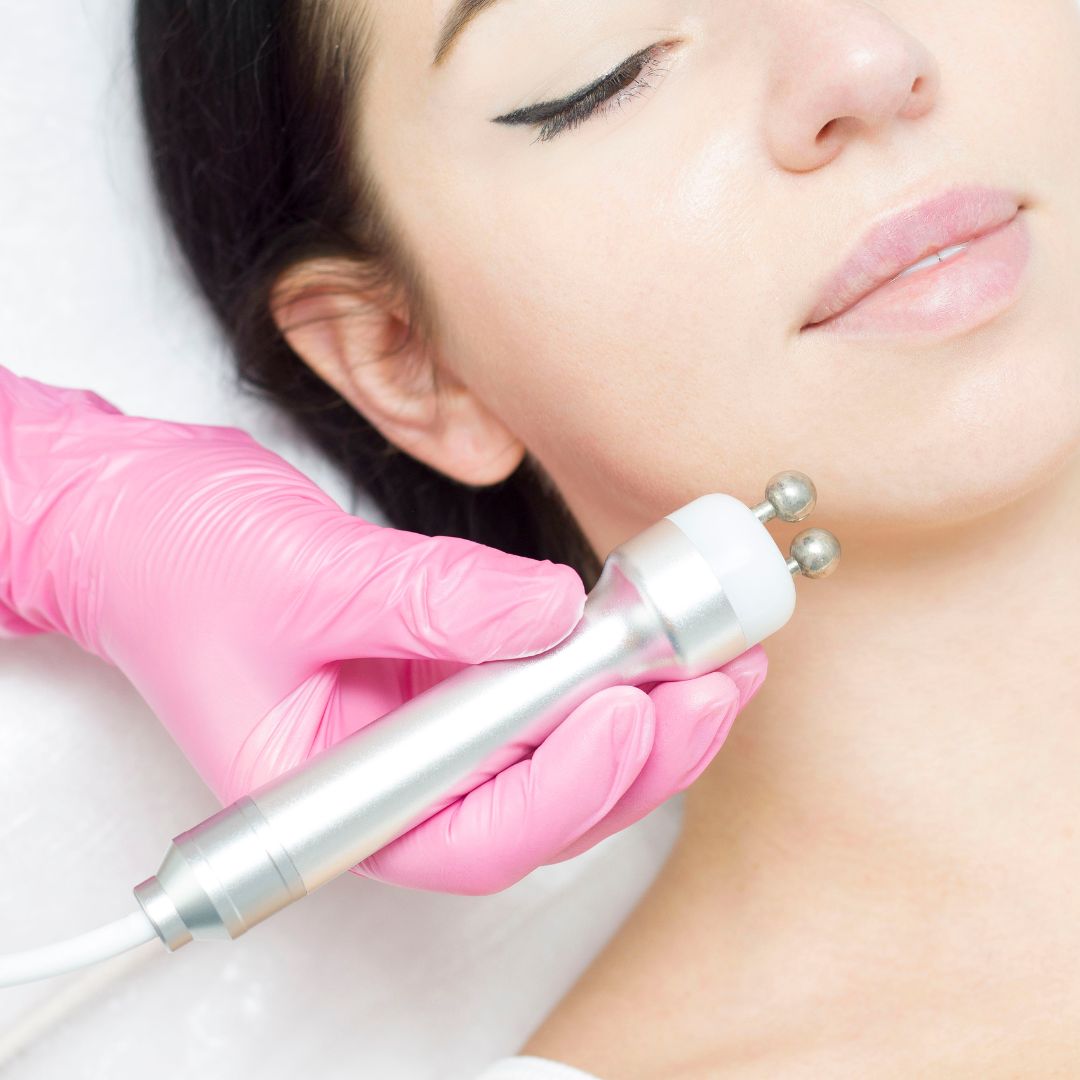
The Effects of Radio Frequency Energy on Skin Health
In the ever-evolving world of dermatology, radiofrequency (RF) energy has emerged as a revolutionary tool. Offering promising results in skin […]
-
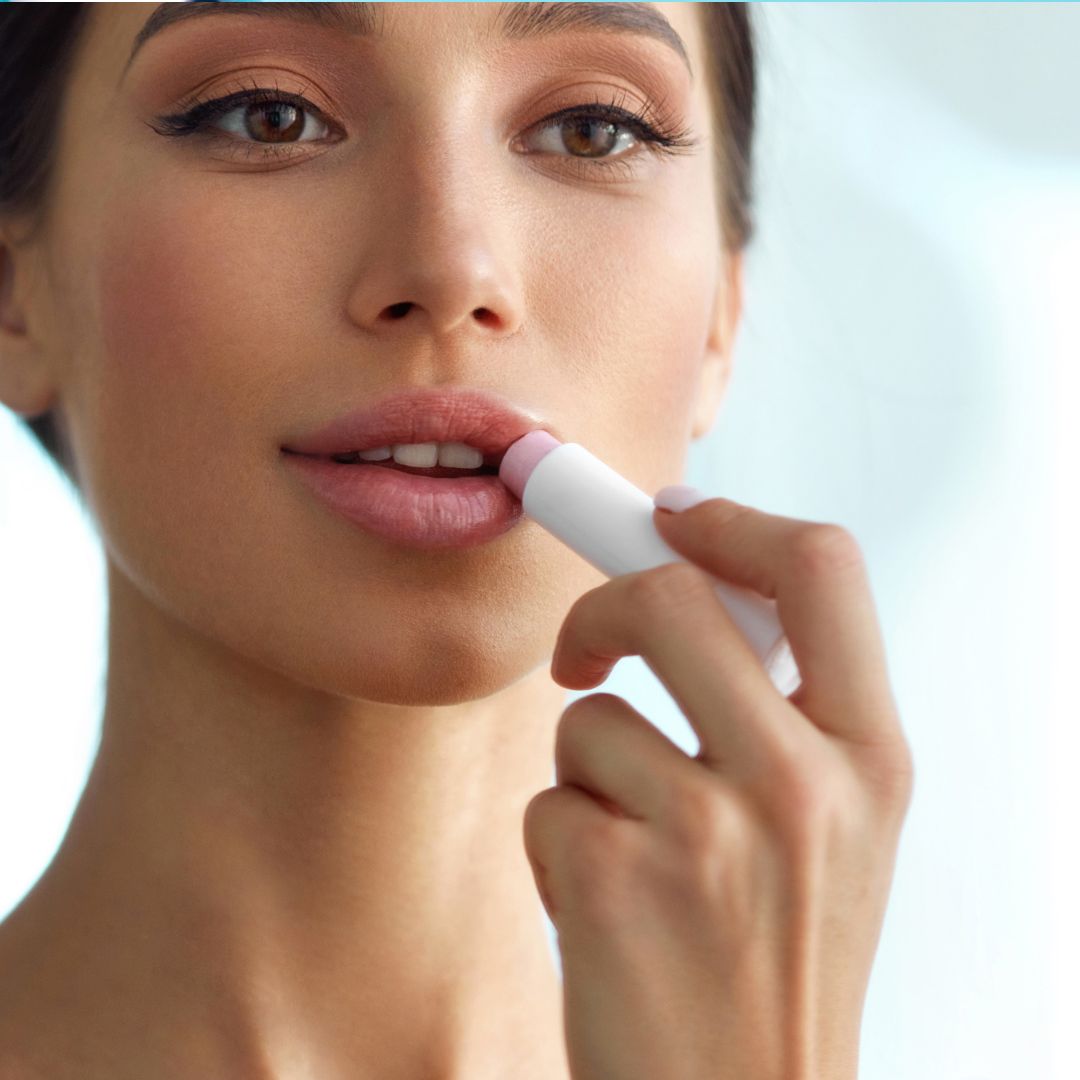
Lip Aging
When we think about aging, we often focus on the appearance of fine lines and wrinkles on the skin. Yet, our lips, one of the most expressive parts of the face, also undergo significant changes […]
-
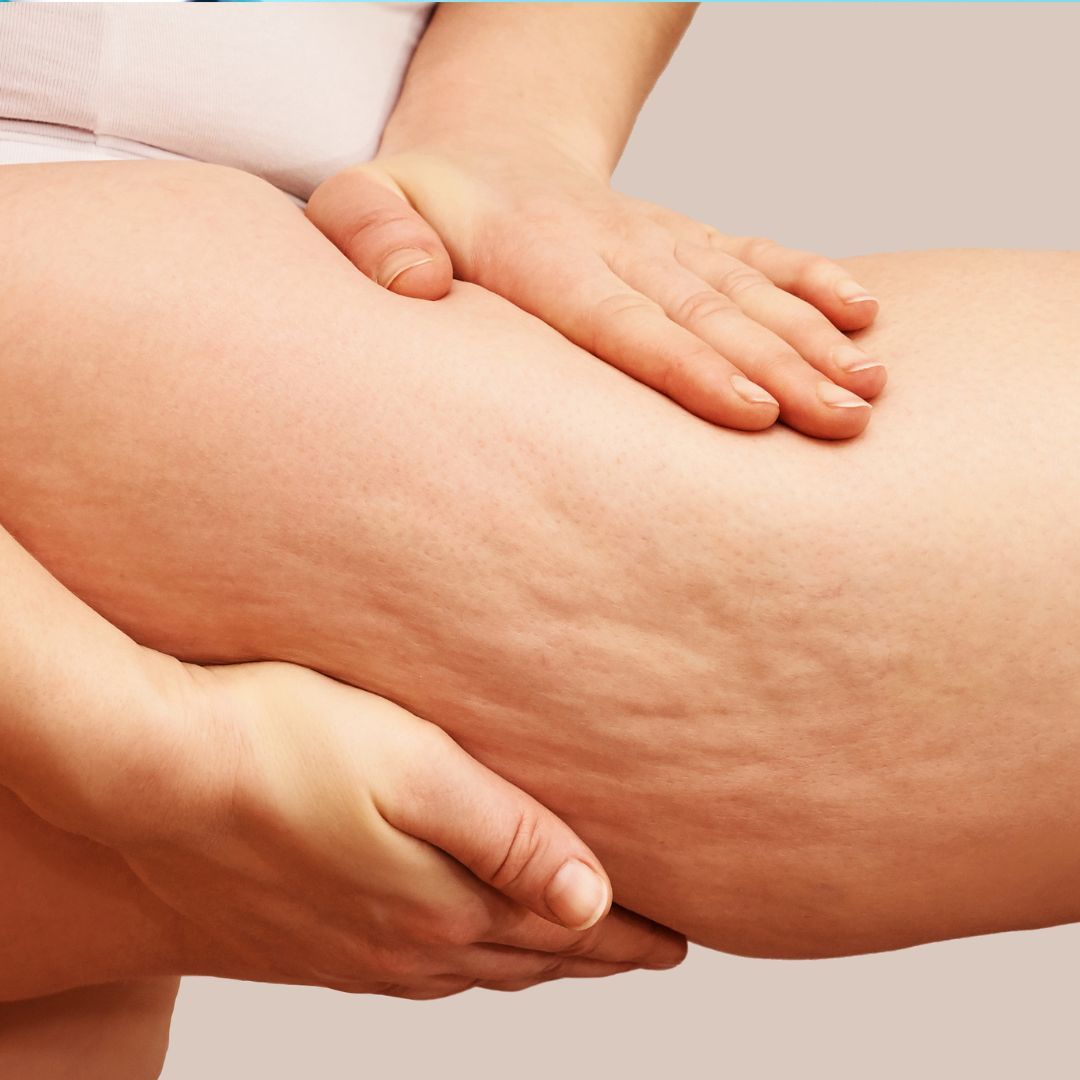
Understanding Cellulite
Cellulite, the dimpled and uneven skin texture that typically appears on different parts of the body, is a common aesthetic concern that many individuals find troubling, particularly women. […]
-
Hyaluronic Acid: The Key to Radiant Skin
When it comes to achieving healthy and youthful-looking skin, hyaluronic acid has become a buzzword in the beauty industry. This naturally occurring substance has gained popularity for its remarkable ability to hydrate […]
-
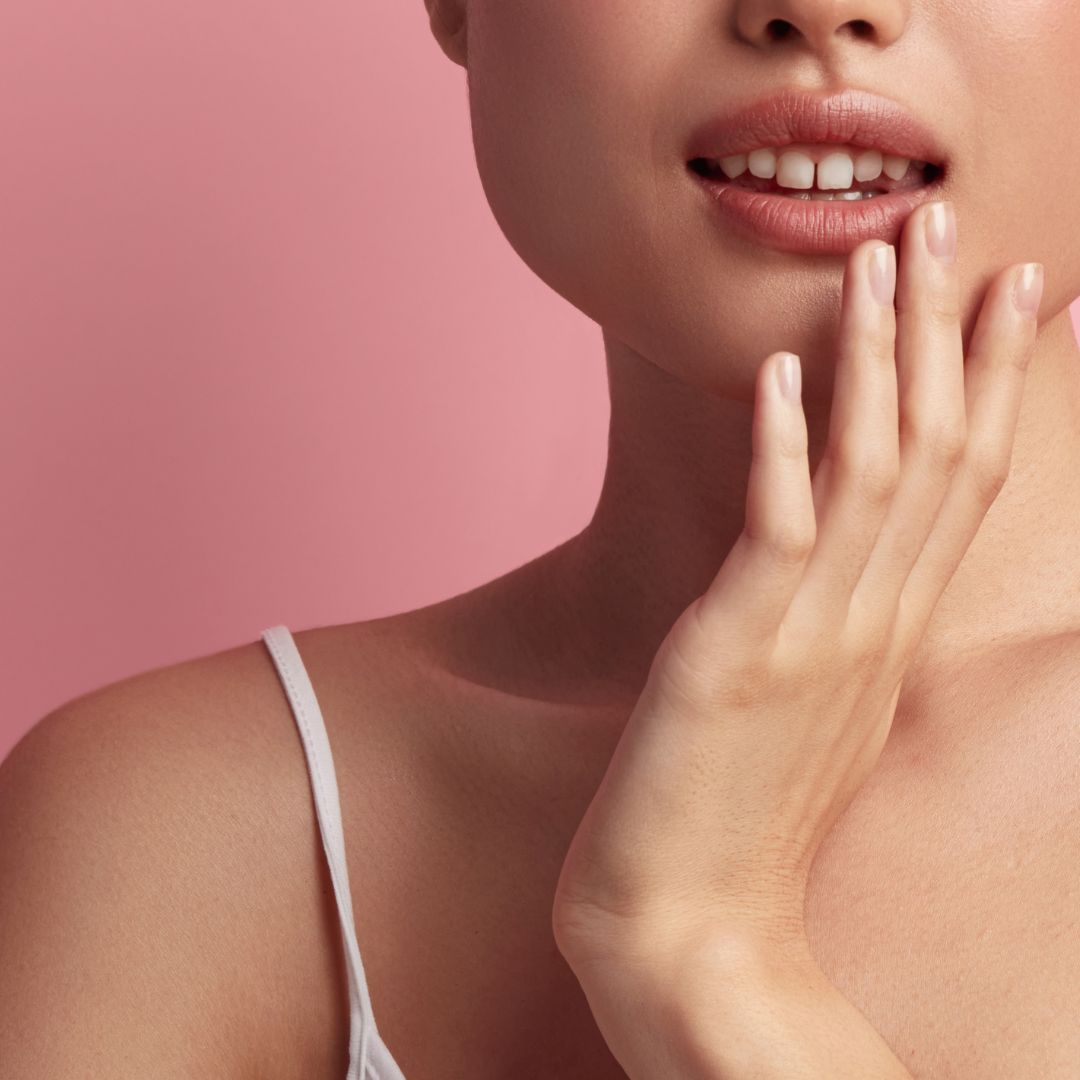
Lip Flip with Botox
In the world of cosmetic procedures, the lip flip with Botox has gained popularity for its ability to enhance and redefine the appearance of the […]
-

The Unseen Effects of Winter Sun on Your Skin
The winter season is often associated with snowflakes, cozy fireplaces, and refreshing cold air. However, there is an unseen aspect […]
-
Understanding the Top 7 Factors Contributing to Dull Skin
Dull skin can leave us feeling less confident and vibrant. Fortunately, by identifying the underlying factors contributing to dull skin […]
-
A Understanding Different Types of Scars
A scar is a mark left on the skin or other tissues of the body after a wound or injury has healed. It is a natural part of the body's […]
-

A Personalized Skincare Assessment and Consultation: Your Path to Radiant and Age-Defying Beauty
As we gracefully age, our skincare needs to evolve, and finding the perfect solution can be overwhelming. We have a game-changing […]
-

The Causes of Lip Lines: A Close Look at Collagen Degradation and Aging
If you've ever studied your reflection in the mirror only to be greeted by vertical lines around your lips, you're not alone […]
-

The Effects of Aging and Pregnancy on Vaginal Muscle Tone
n the realm of women's health, discussions surrounding changes in the body due to aging and pregnancy have historically been deemed 'taboo,' leaving many […]
-
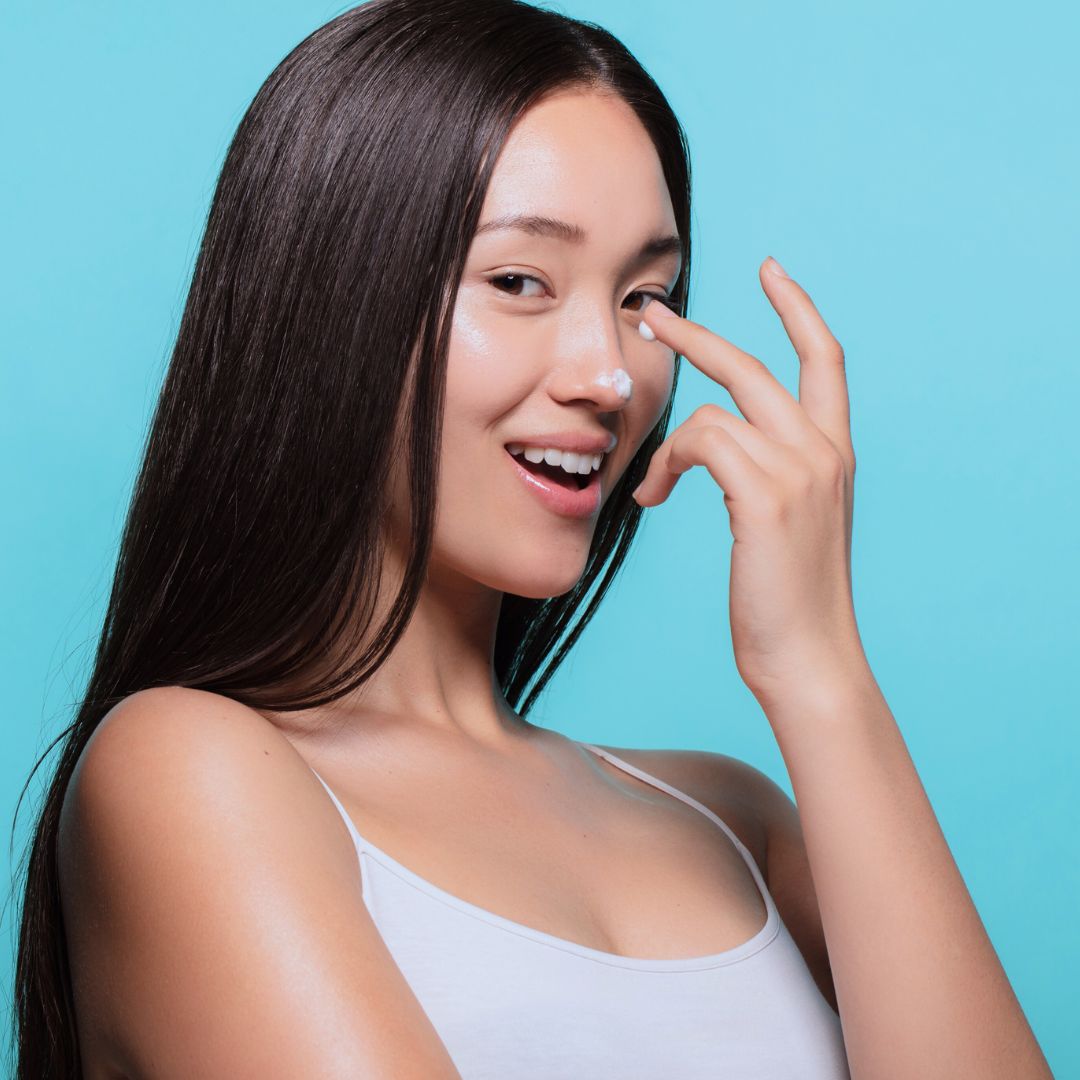
Retinols: A Must in Your Skincare Regimen
Over time, skin cell renewal slows, resulting in a dull, irregular complexion and coarse skin texture. Applying retinol creams can stimulate cell […]
-

The Power of Collagen
Collagen is a protein found in the body. It occurs in considerable amounts in the skin, bones, muscles, and tendons. The "glue" holds all these parts together, providing […]
-
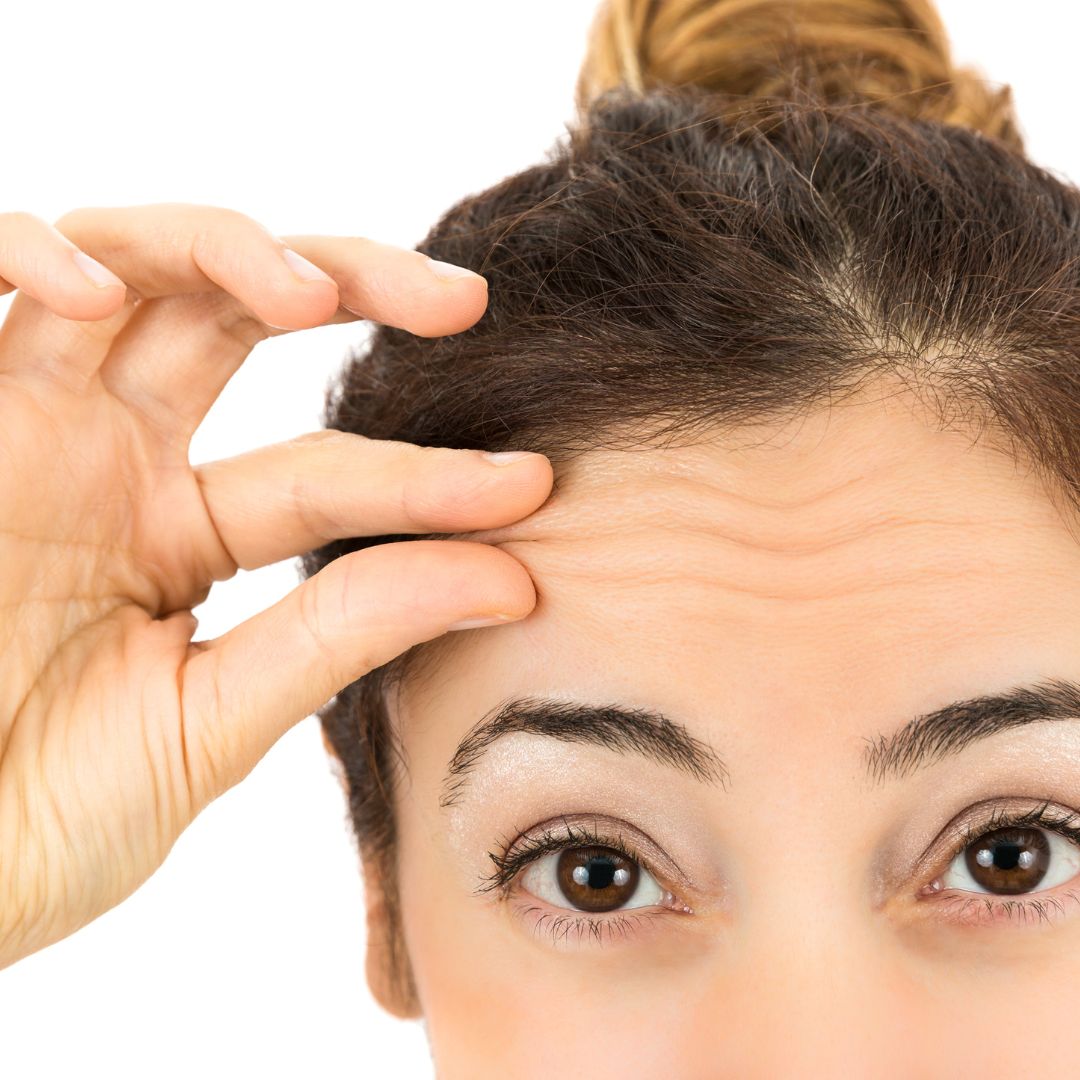
Anatomy of a Wrinkle
Our skin is an incredibly fascinating organ, subtly communicating the chronicles of our life, from childlike wonderment to aging elegance. A standout among these tales […]
-
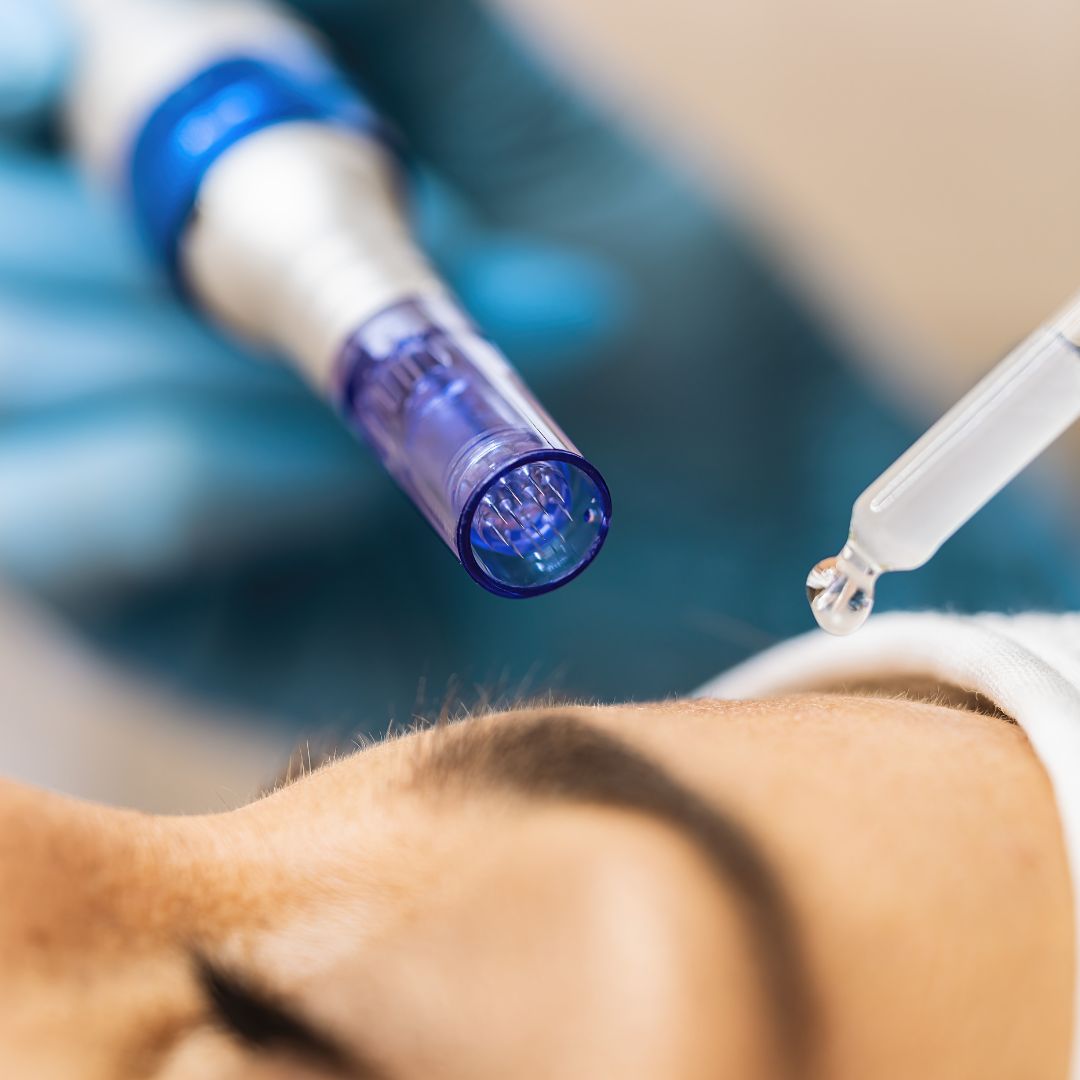
Collagen Induction Therapy
Collagen Induction Therapy (CIT), more familiarly known as microneedling, has emerged as an avant-garde approach to enhancing skin vitality […]
-
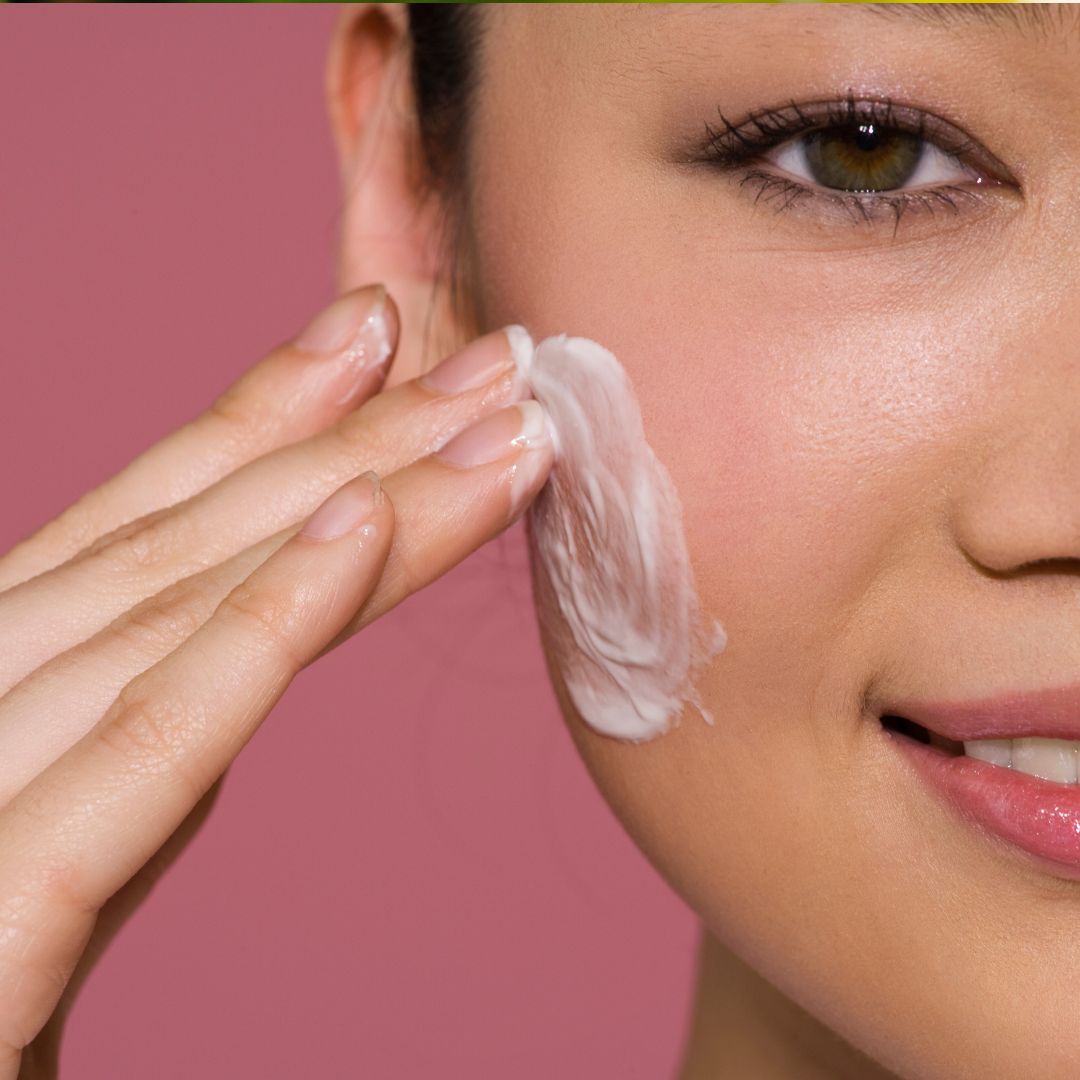
Moisturizers and Your Skin
Let's face it. When it comes to moisturizers, it feels like we're always looking for "the one," and there is no such thing as one-size-fits-all. This is […]
-
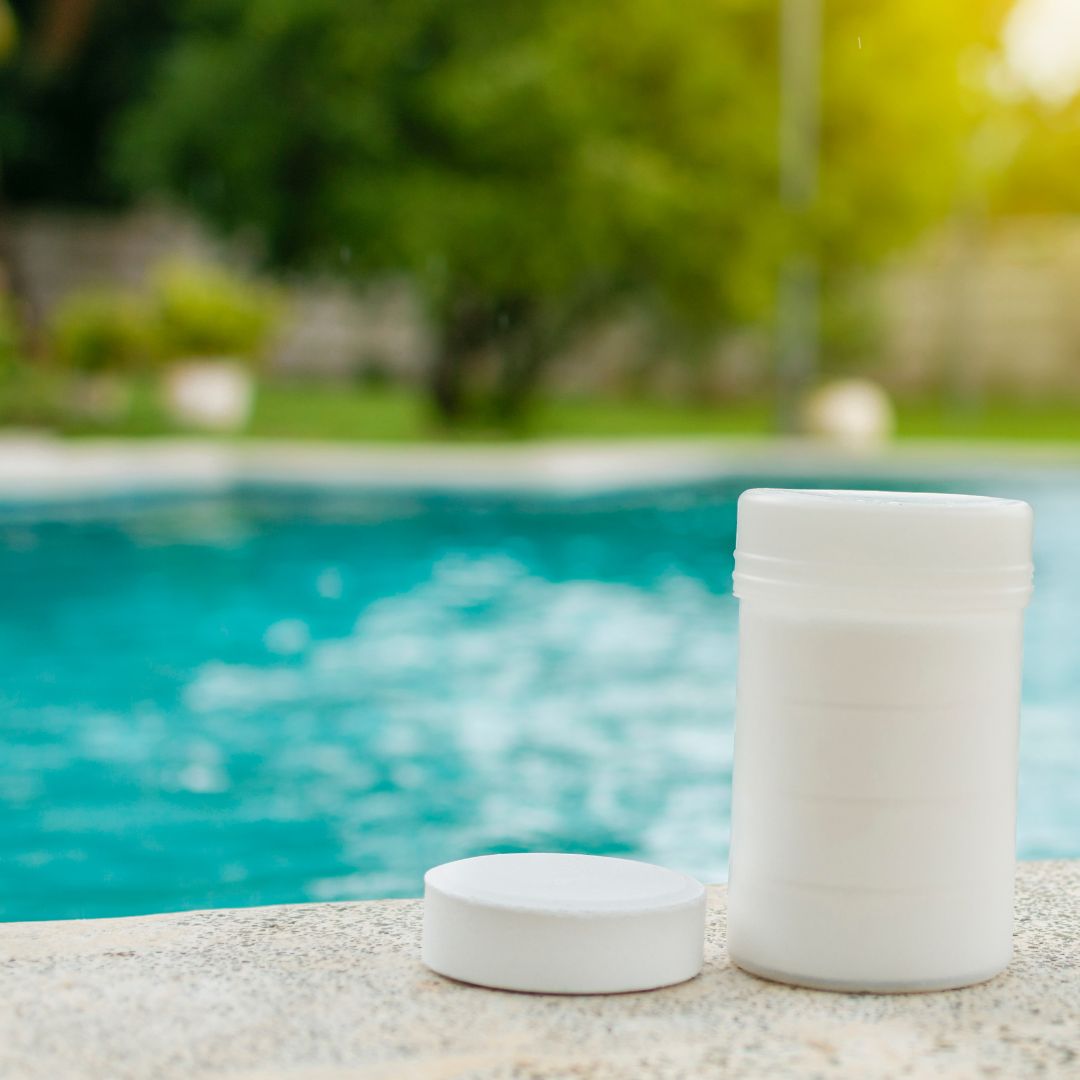
Chlorine and Your Skin
Chlorine is used in swimming pools to kill harmful bacteria and germs that can cause various diseases. It serves to maintain […]
-
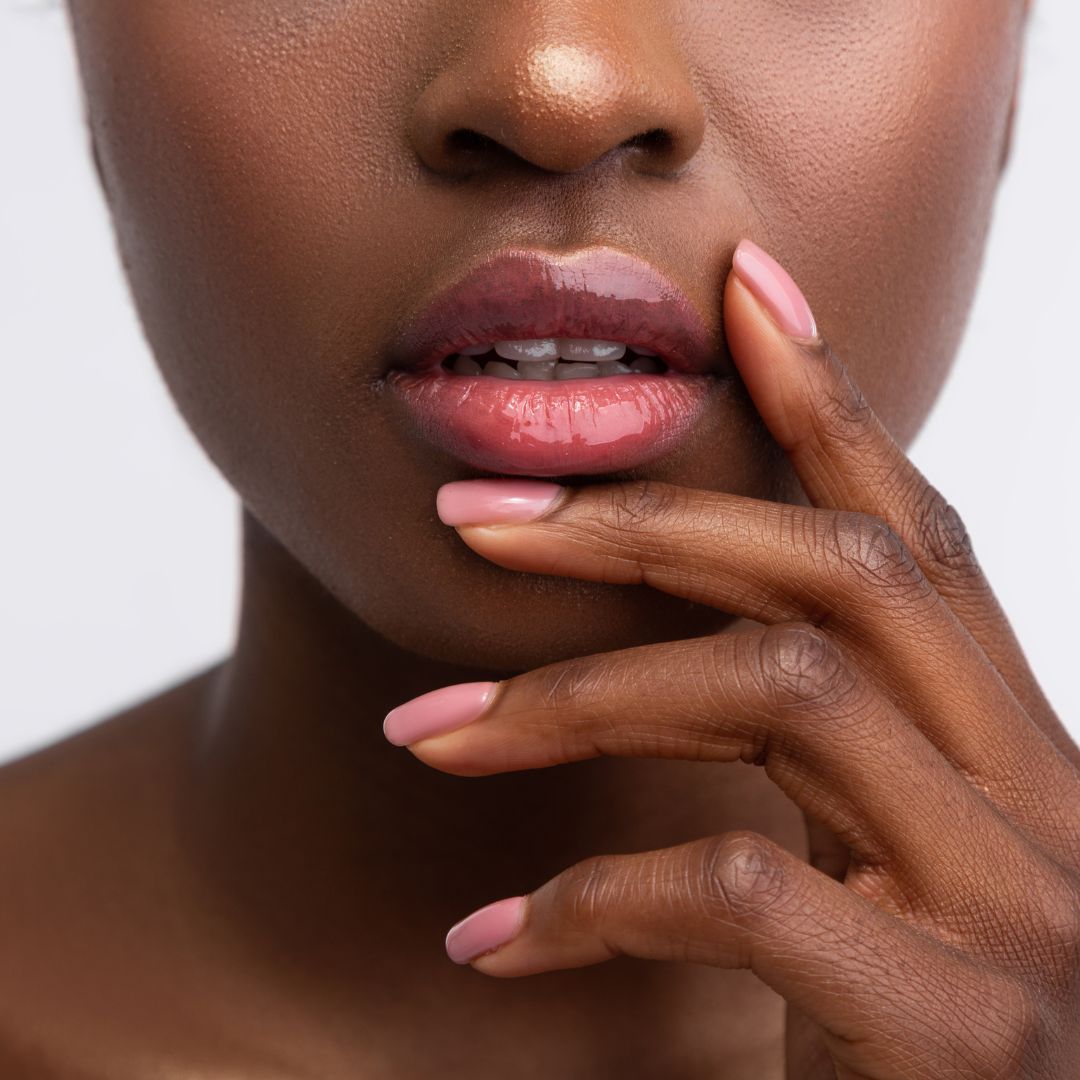
Your Lips
You could say our lips are one of our greatest accessories. Always a canvas for our makeup and the perfect frame for our smiles. […]
-
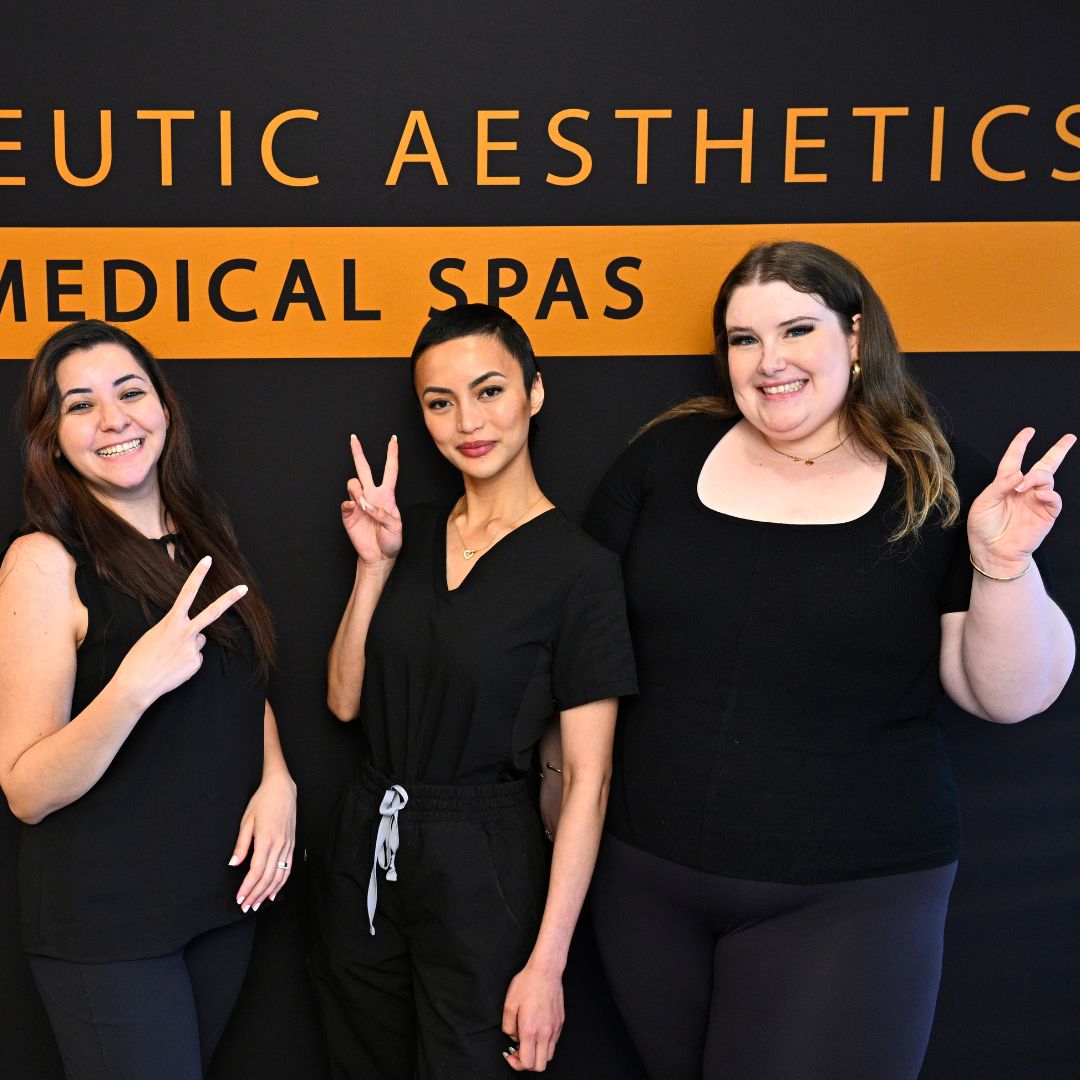
Thornhill Open House June 2023
Our Thornhill location recently hosted a glamorous open house event that welcomed both loyal clients and curious newcomers to discover […]
-
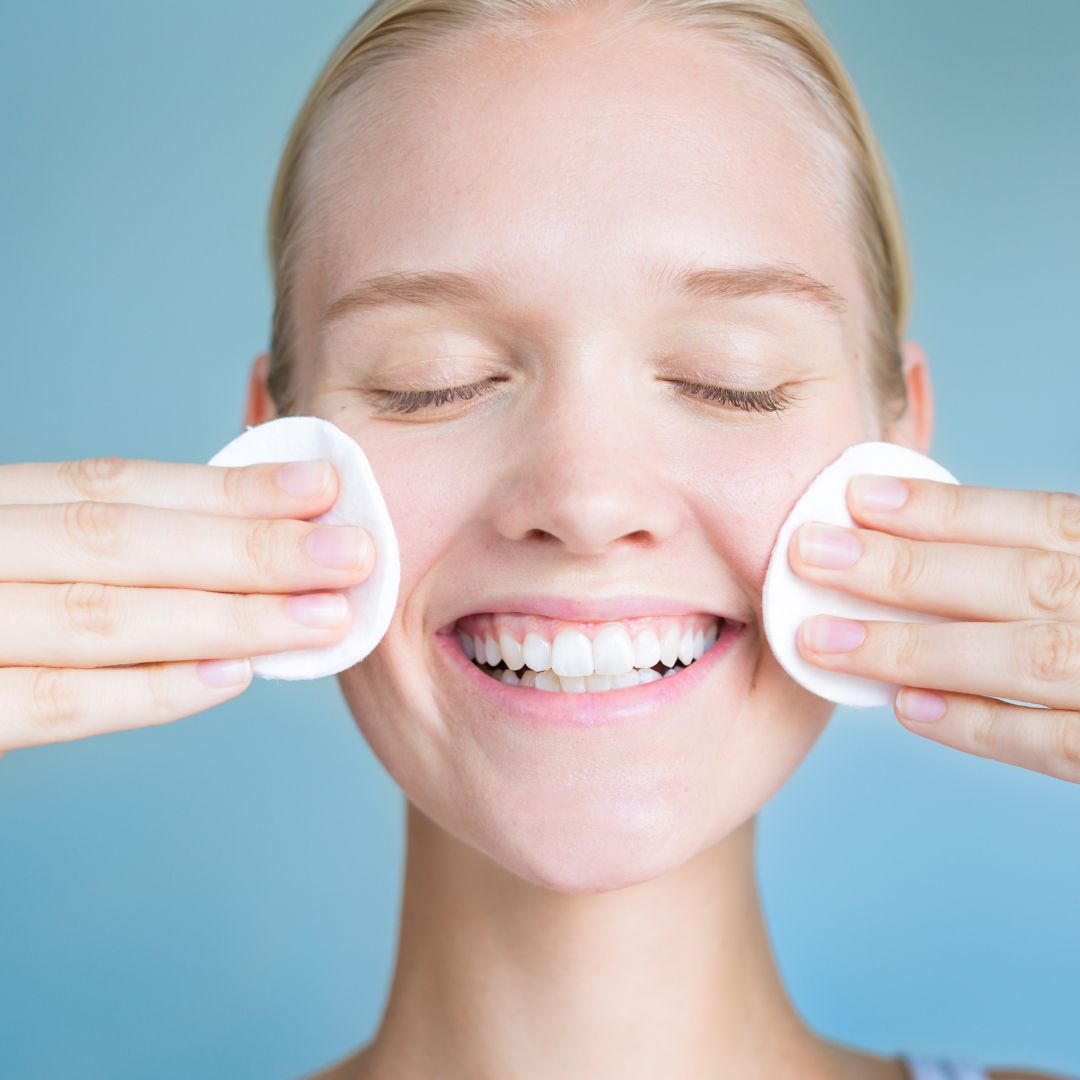
Your Daily Skincare Regimen
At T/A, we know everyone's skin is unique, and everyone has different skincare goals in mind. There is no cookie-cutter skincare formula that works for everyone […]
-
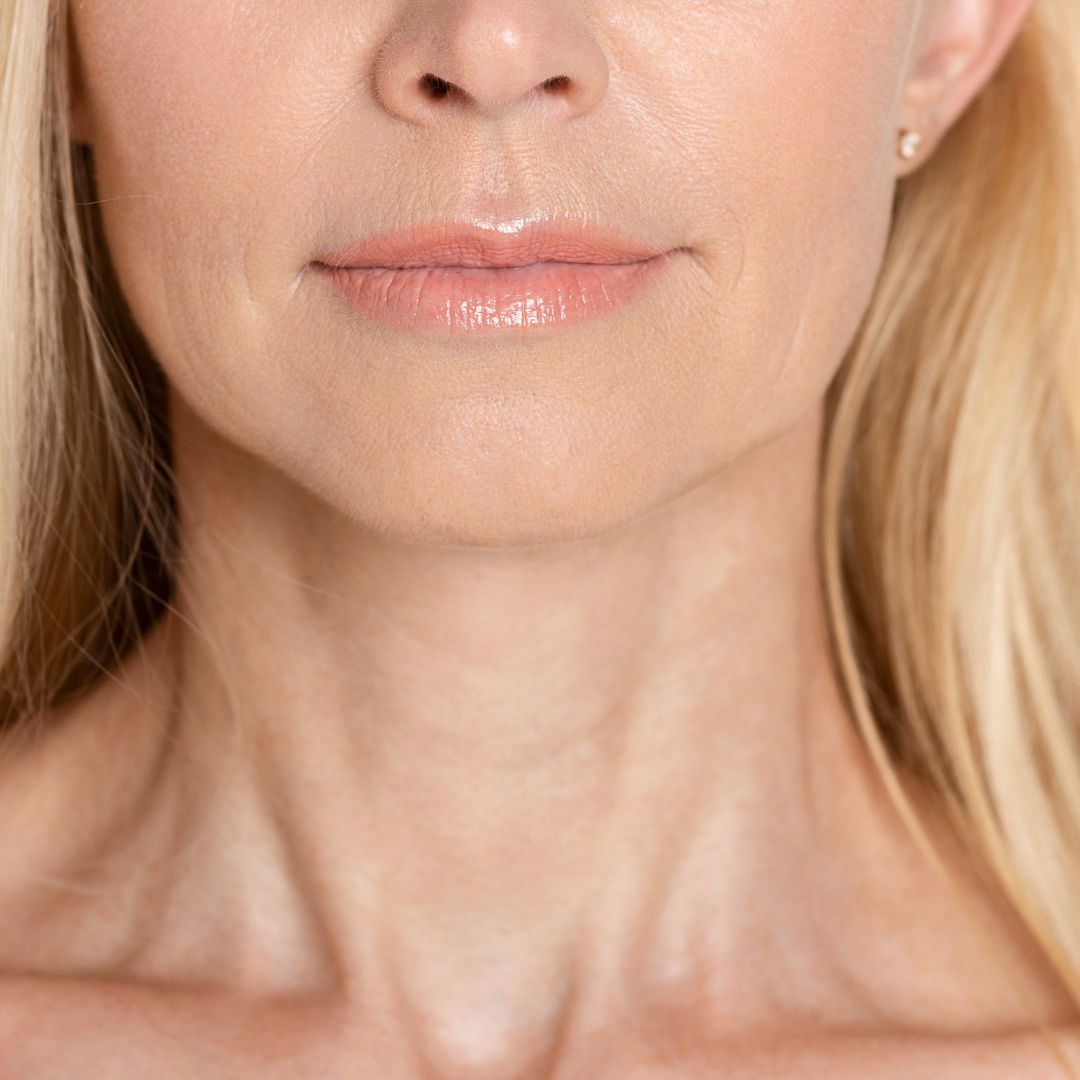
Neck Bands
When it comes to anti-aging, let's not neglect the neck! Signs of aging can appear on our face and neck, especially in the form of neck bands or […]
-
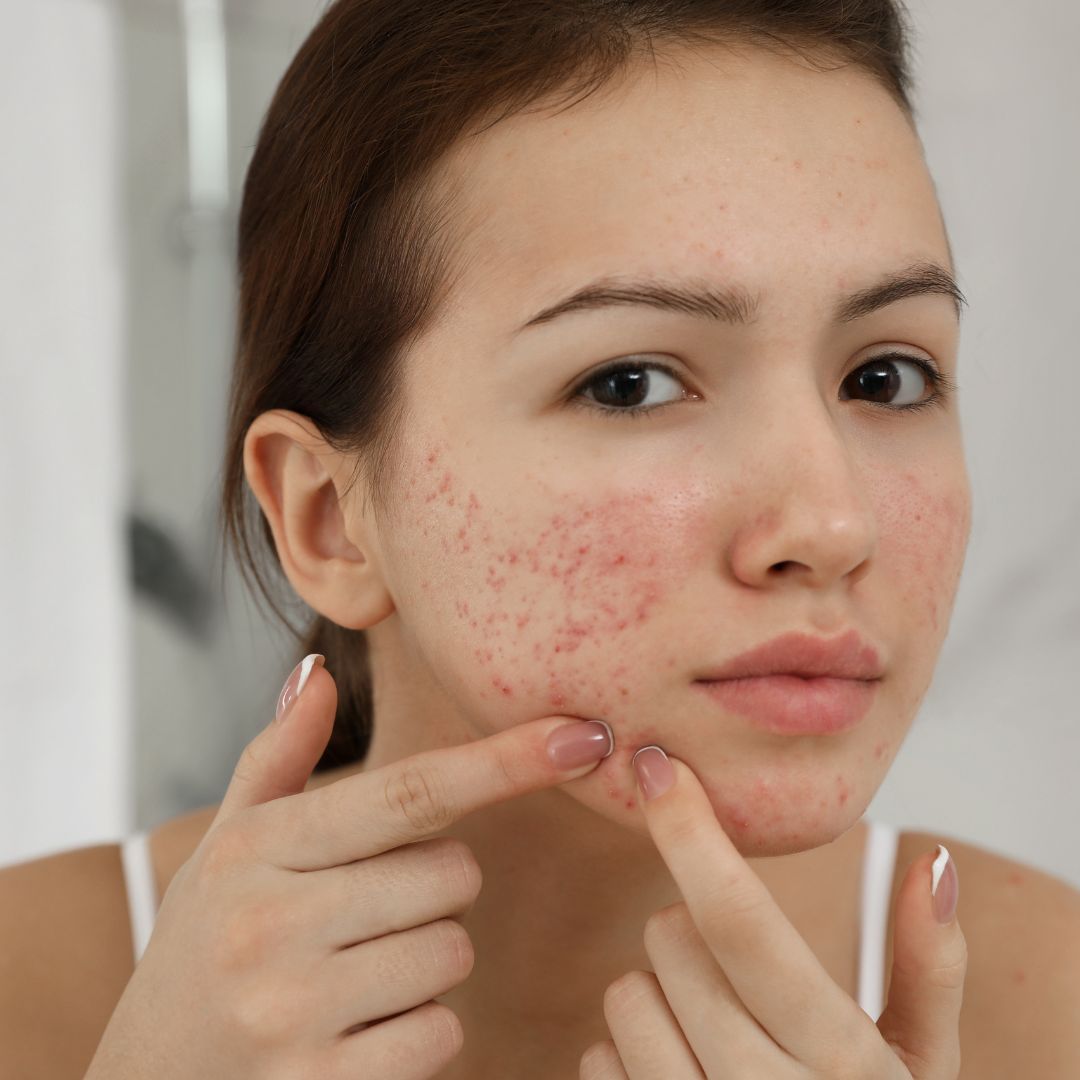
The Acne Guide
We all struggle with some form of acne from time to time. Whether it’s a stray pimple in adulthood or an inflamed breakout during […]
-
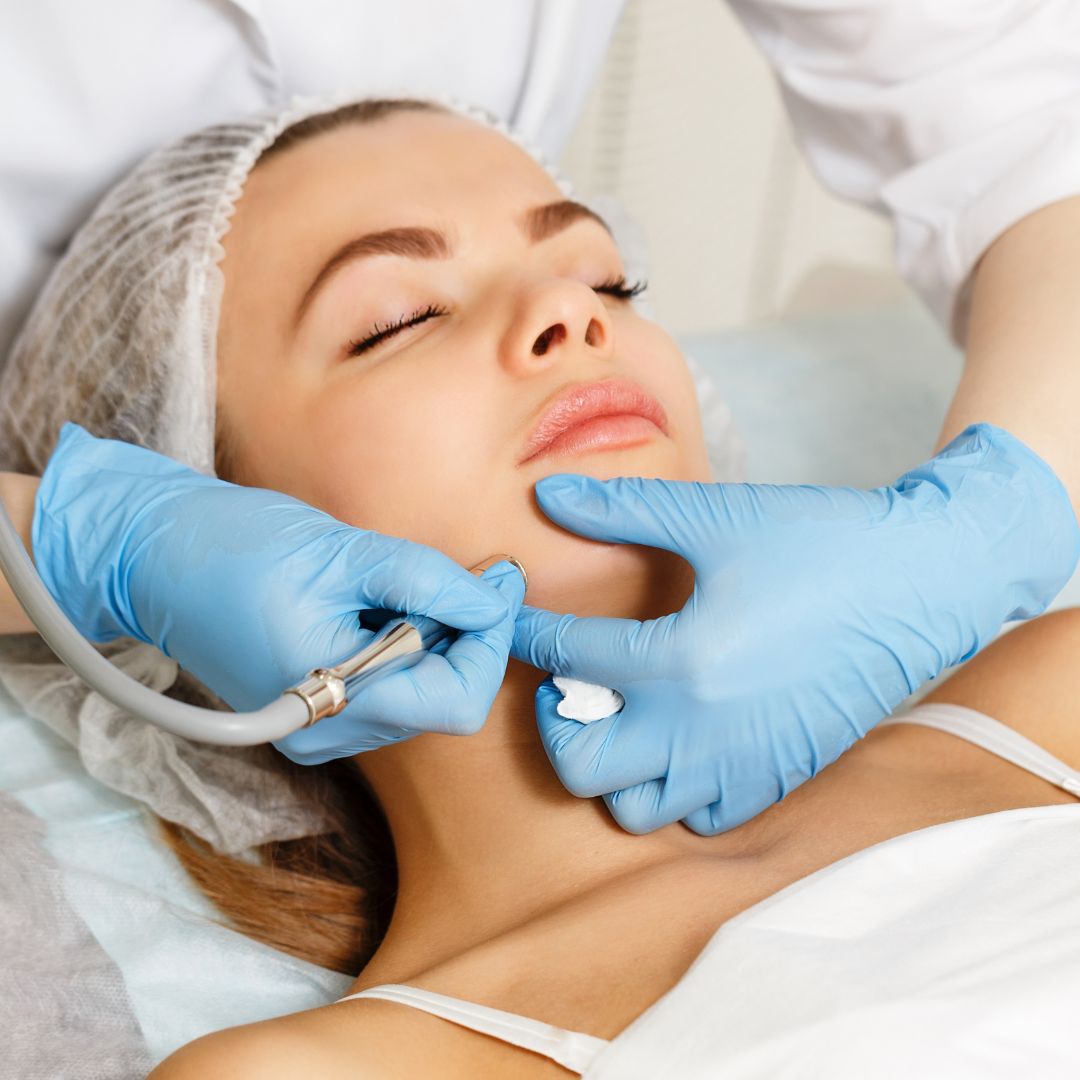
The Power of Peptides: Revolutionizing Anti-Aging Medicine
Throughout history, people have tried countless treatments, concoctions, and therapies to reverse the signs of aging and maintain a youthful and radiant […]
-

The Power of Exosomes in Aesthetic Medicine and Anti-Aging
One of the exciting developments in the field of aesthetic medicine, which has gained traction in recent years, is the power of exosomes. […]
-

No Makeup Makeup
Hey there, gorgeous! Are you tired of spending hours perfecting your makeup routine? Do you want to achieve that coveted, bare-it-all, […]
-

Dermal Fillers and Sleep
Hey, sleeping beauty! Are you wondering how to get the best sleep after your dermal filler treatment? In this article, we'll discuss the best […]
-

Feed Your Face! Five Foods for Healthy Skin
When it comes to having healthy and glowing skin, what you eat can have a significant impact on your complexion. Your skin is the largest organ in your body, and it needs the right nutrients to […]
-
The Injectables Guide
Injectable treatments are a non-invasive method to achieve a more youthful and refreshed appearance. While some people may assume that all injectables provide similar benefits, there are many different […]
-

Vaginal Weakness and The O-Shot
Pregnancy, childbirth, aging, menopause; women’s bodies journey through many phases of life. It’s important to talk about maintaining […]
-

Sun, Skin, and… Aging?
As soon as the summer season hits, we covet that sun-kissed bronzed look. You know, the one where your coworkers picture you laying out on the […]
-
Burlington Open House
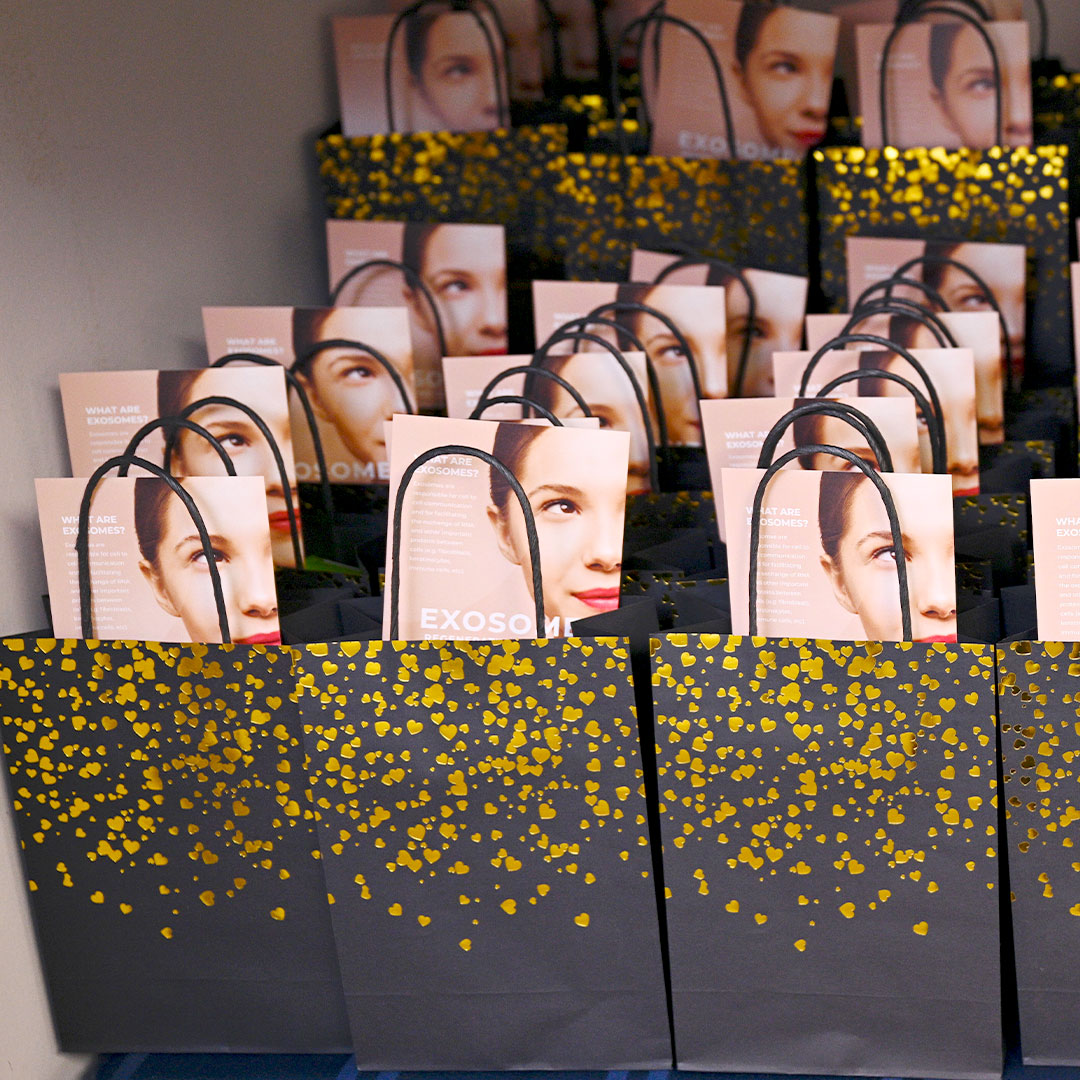
This past weekend, we celebrated our Burlington location with an Open House, welcoming all of our past, current and future patients. […]
-
My First Experience with Botox
I remember telling friends and family that I was going to try Botox for the first time ever. I recall receiving texts in return conveying concern: […]
-

A Brief History About Hair Restoration
At Therapeutic Aesthetics, our team of hair restoration specialists offers nonsurgical options for hair loss. These treatments have resulted in amazing hair transformations for both our men and women clients across the Greater Toronto Area.[…]
-
A Brief History of Your Favourite Dermal Fillers
Have you ever wondered about the history behind your favourite cosmetic procedures? How did people live before dermal fillers? In this article, we will discuss how some of the most popular cosmetic injectables have changed over the years. […]
-

Grand Opening In Thornhill
We are so delighted to announce that we opened our fourth location in Thornhill in mid-November 2022. […]
-
Temporal Lift: The Facelift Without Surgery
Every now and then a new technique is developed that disrupts how we do things. The Temporal Lifting technique is one such procedure that turns injecting filler on its head, quite literally. Instead injecting dermal filler in the mid and lower face[…]
-
How To Prepare For Your Aesthetics Appointment In Toronto
If you’re like most people, you probably don’t give much thought to your skincare routine until the day of your appointment with the aesthetician. Unfortunately, this can lead to last minute scrambling and a less than desirable experience.[…]
-
COVID-19 & Hair Loss: What You Need To Know
COVID-19 is a virus that has been making headlines all over the world. While the focus has been on the potential for this virus to cause serious health problems, there is another side effect that has been getting less attention: hair loss. Yes, it’s true[…]
-

Eat Your Way To Beautiful Skin (Antioxidants/Probiotics)
Having glowing, beautiful skin takes much more than finding the right lotion – truly vibrant skin comes from the nutrients that we find through our diets. Beauty foods have become one of the latest trends to hit cosmetic clinics, but even when this trend[…]
-

Why NOT To Buy Dermal Fillers Online
When it comes to dermal fillers, you may be tempted to buy them online. This is because it can be cheaper than buying them from a professional aesthetician. However, there are several reasons why you should not purchase dermal fillers online.[…]
-
5 Common Winter Skin Issues (And How To Fix Them)
Winter has arrived, and with it comes cold weather. Nevertheless, it can be a joyous time to snuggle up with your family, drink hot cocoa, and wear cozy sweaters. But winter can also be harsh on your skin,[…]
-
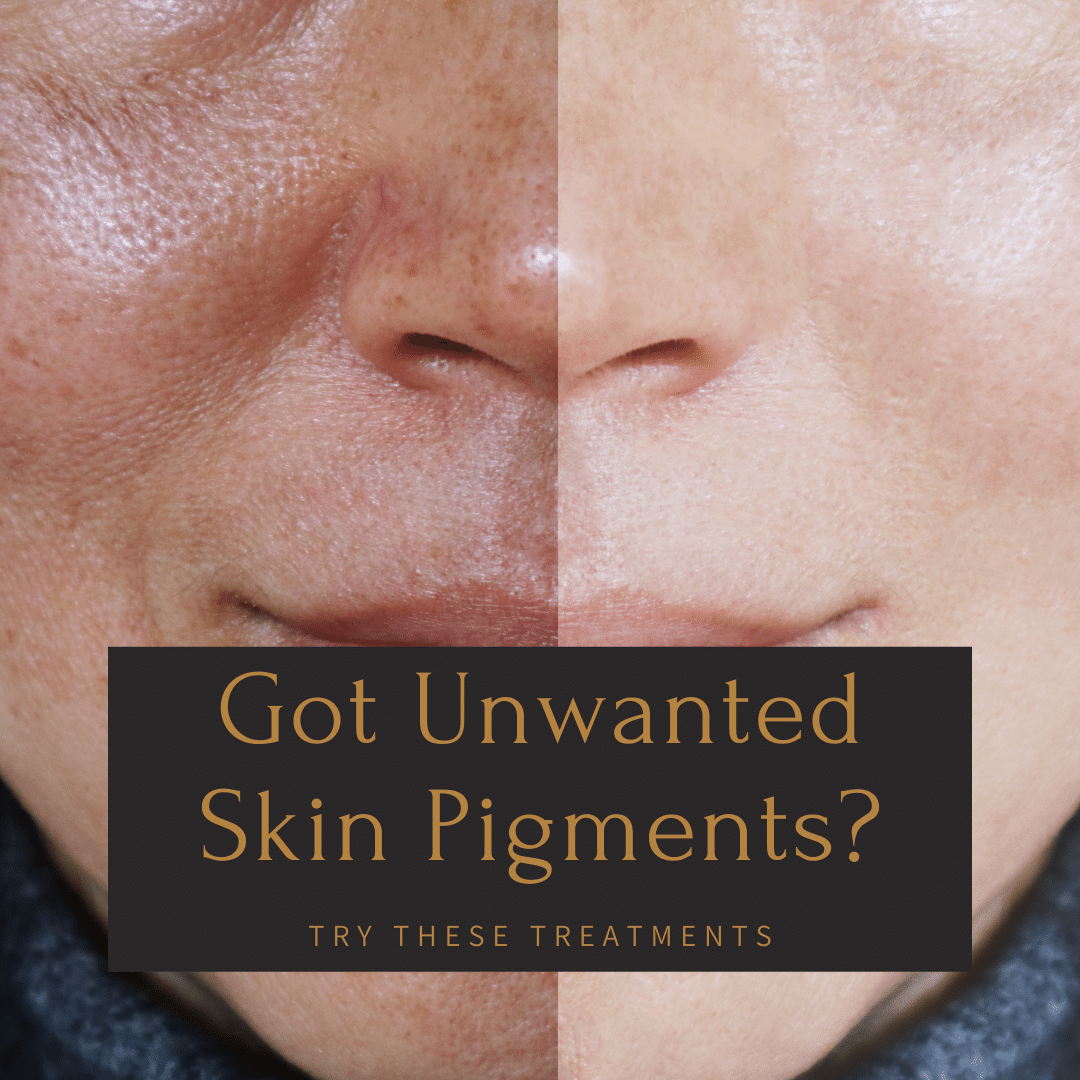
Unwanted Skin Pigments: Try These Treatments
Are you one of the many people who knows just how frustrating unwanted skin pigments are? You work hard to maintain a healthy lifestyle and skin care routine, only for your face to betray you with dark spots and discoloration.[…]
-
The Most Popular Aesthetic Treatments For Men In Toronto
Most men have always taken care of their appearance by themselves, but now more and more men are supplementing personal care habits with professional aesthetic treatments. In Toronto, there are a number of cosmetic treatments for men that have been growing in popularity.[…]
-
Why You Should Get Facial Treatments In Winter
Winter is a time for many people to stay indoors as much as possible. Even so, the cold, dry winter air can wreak havoc on your skin, as well as heated indoor air. Winter weather can cause an increase in acne breakouts, eczema flare-ups, and premature aging of the skin due to a lack of moisture.[…]
-
Let Your Fat FALL Off With Body Contouring In Burlington
If you are looking for fat reduction in Burlington, then look no further! This fall, shed excess fat and skin alongside the autumn leaves. Body Sculpting is the perfect way to reduce fat without surgery – and start the way to a slimmer, healthier lifestyle.[…]
-
Is It Safe To Take COVID Vaccine After Getting Botox Treatment?
In the context that batches of vaccines have arrived in many countries around the world to conduct COVID-19 vaccination, the first data on vaccine side effects have been reported in the United States, where some authors are concerned about the vaccine reaction in filler injection patients that occurs with the second dose of Moderna vaccine.[…]
-
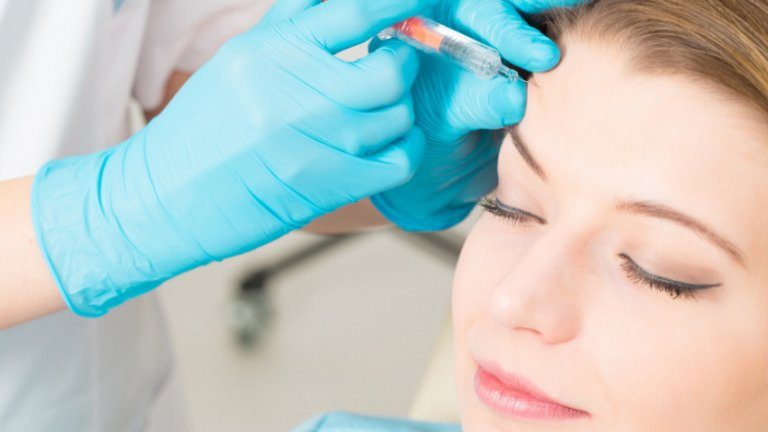
Facial Fat Grafting Vs Facial Fillers: What’s The Correct Treatment For You?
In the current cosmetic market, there are two modern beauty technologies that are highly sought after. They are filler injections and facial fat grafting. These are two great rejuvenation solutions, balancing the face and creating a good appearance for the patients.[…]
-
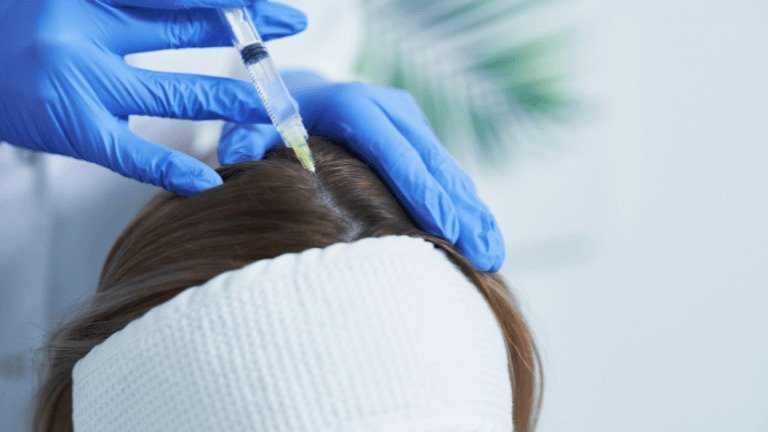
Difference Between Hair Botox & Keratin Treatment
For many years, owners of “unruly” curls can only do their hair in buns or braids – there is simply no way to pin them without having to be late for work or study. Today, the situation has changed – the cosmetic industry offers a wide range of means to eliminate this problem.[…]
-

5 Medical Aesthetics Trends Of 2021
The year 2020 has ended with the constant transformation of the beauty industry. We enter the year 2021 – a new era that promises many exciting new things with cutting-edge trends, technologies and the application of artificial intelligence in beauty. Let’s look forward to a year 2021 with many unforgettable experiences in all aspects of life.[…]
-
Is It Safe To Take COVID Vaccine After A Dermal Filler Treatment?
Some people are absolutely fine with aging naturally and gracefully. Meanwhile, others always look far and while on the Internet for the “McGuffin” of beauty products that will keep their youthful look every-lasting. If you fall into the second type, the good news is that[…]
-

Top In-Office Skin Trends In 2021
Like other aspects of the beauty industry, the skincare sector is also dominated by trends. Despite being interrupted by the COVID-19 pandemic, 2020 still saw many outstanding methods such as face contouring, skin tightening, laser therapy… Some changes in people’s Therapeutic aesthetics and skincare needs will likely continue to last and become more prominent in 2021.[…]
-

How Does Botox Treatment Help In Depression?
Botox, an amino acid extracted from Clostridium bacilli, is famous for its ability to fill wrinkles on the face. However, because of its muscle relaxant effect, Botox has many medical applications.[…]
-
How Our Facial Fillers In Toronto Can Get You Glowing Skin & Other Tips For Beautiful, Radiating Skin
There are many influences that contribute to signs of aging such as prolonged sun exposure, loss of volume, dehydration, or uneven skin complexion. These factors can add years to our age and despite our best efforts through a healthy lifestyle and diet, it may take some time to rejuvenate your skin once the visible damage appears on the skin.[…]
-
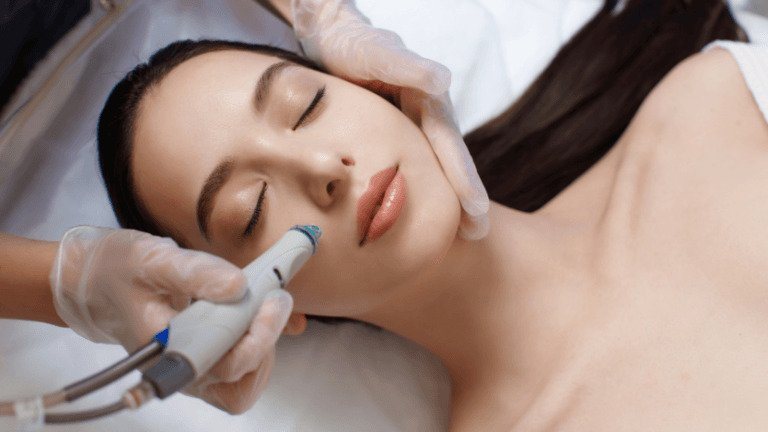
Which Skin Care Procedure Is Right For You? Chemical Peel Or Hydrafacial Treatment: Oakville
With the ample amounts of skin treatment options out there, sometimes choosing the right one for yourself can be a challenge. Usually, each treatment is tailored to target certain concerns with more emphasis on particular skin problems.[…]
-
Types Of Dermal Fillers
Dermal fillers are definitely one of the best ways to reverse the aging process. But, won’t you like to have an insight into their types? What are their types and what type suit your requirements? Answers to these questions lie below.[…]
-

Discover The Beauty Of Skin Care Treatments At Our Burlington Skin Care Clinic
We tend to focus on staying active and eating healthy for our well-being. However, we sometimes seem to forget that the human body’s largest organ is the skin. Overtime, as we age it’s inevitable that signs of aging and other factors start making appearances.[…]
-
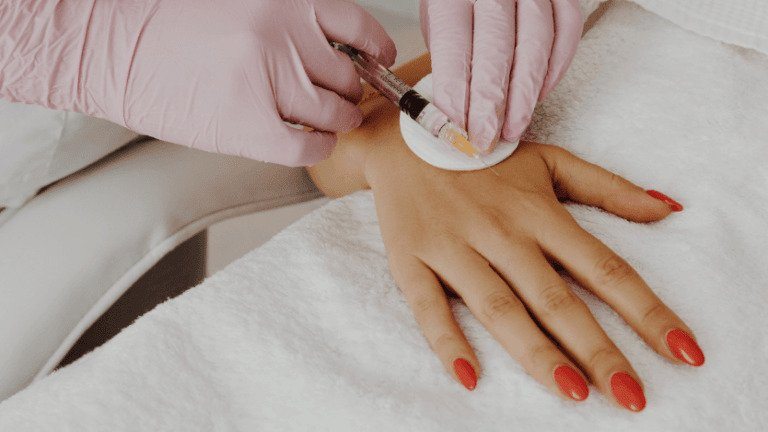
4 Things You Must Know About Hand Rejuvenation In Toronto
Do you wish to enhance the look of your hands? Wouldn’t you love to see your hands being complimented for being as vivacious as ever? Therapeutic Aesthetics Medical Spa brings to you the ultimate solution for tackling wrinkling and aging of your hands – hand rejuvenation in Toronto![…]
-
Chin & Jawline Filler For A Chiseled Lower Face
There are a number of reasons why contouring your chin and jawline with dermal filler should be on your to-do list. It’s the fastest and easiest way to instantly look more youthful and restore structure to your lower face. Perhaps the aging process has caused your jowls and jawline to sag and your chin to recede.[…]
-
5 Tips To Protect Your Skin From Premature Aging
We’re lucky to be living in the “anti-aging” era. Countless non-surgical treatments are available to relax our wrinkles, pull up our sagging skin and smooth our complexion. Looking ten years younger is as easy as booking an appointment with your cosmetic nurse injector.[…]
-
Surprise Mom With 5 Rejuvenating Gifts She’ll Love
Your mom is always there for you. She’s your biggest supporter, cheering you on when you need words of encouragement. She’s also your shoulder to cry on during tough times or when things aren’t going your way. Mom is your rock.[…]
-
Cheek Augmentation: 4 Ways Dermal Filler Can Help You Look Better
Have you ever thought about how your face would look with more defined or higher cheeks? At Therapeutic Aesthetics we can rejuvenate your appearance by enhancing the mid face with dermal filler.[…]
-
Can Botox Bring You Happiness?
At our Toronto Cosmetic Clinic, we are so excited to share this blog post to the world! Did you know that Botox can have a positive, life-changing impact on your life? In this article, we will examine scientific studies done on Botox as well as real testimonials of Botox users from around the world.[…]
-
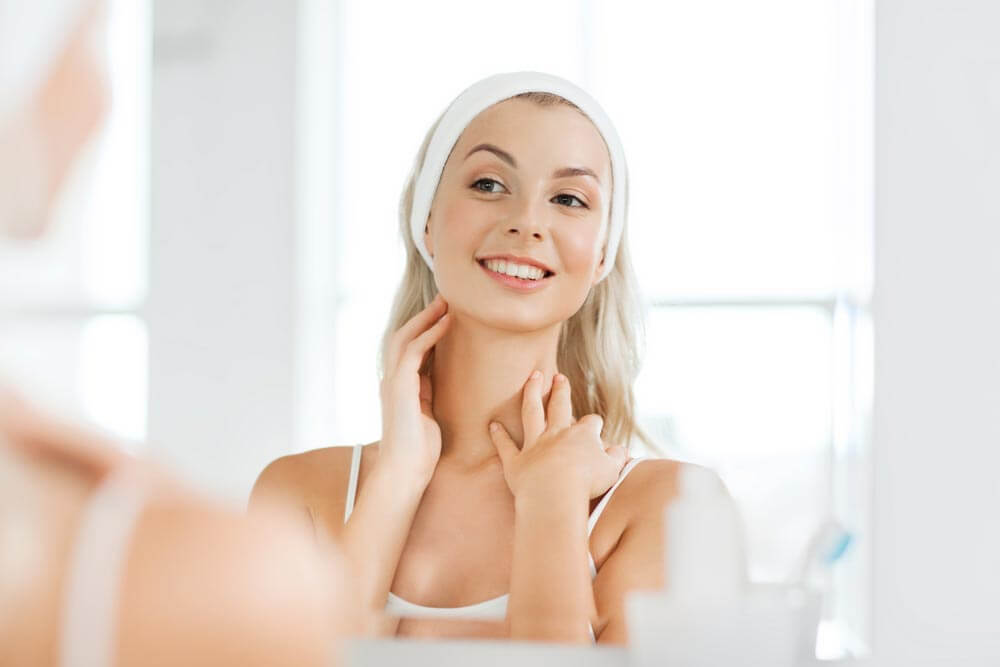
Don’t Neglect Your Neck; It Gives Away Your Age
Poor neck. It rarely gets the love it deserves. We dote on our face while the neck goes without. We simply forget it’s there until we reach our 40’s and 50’s and it starts to look old and haggard. It no longer matches the youthful, vibrant appearance of our face.[…]
-
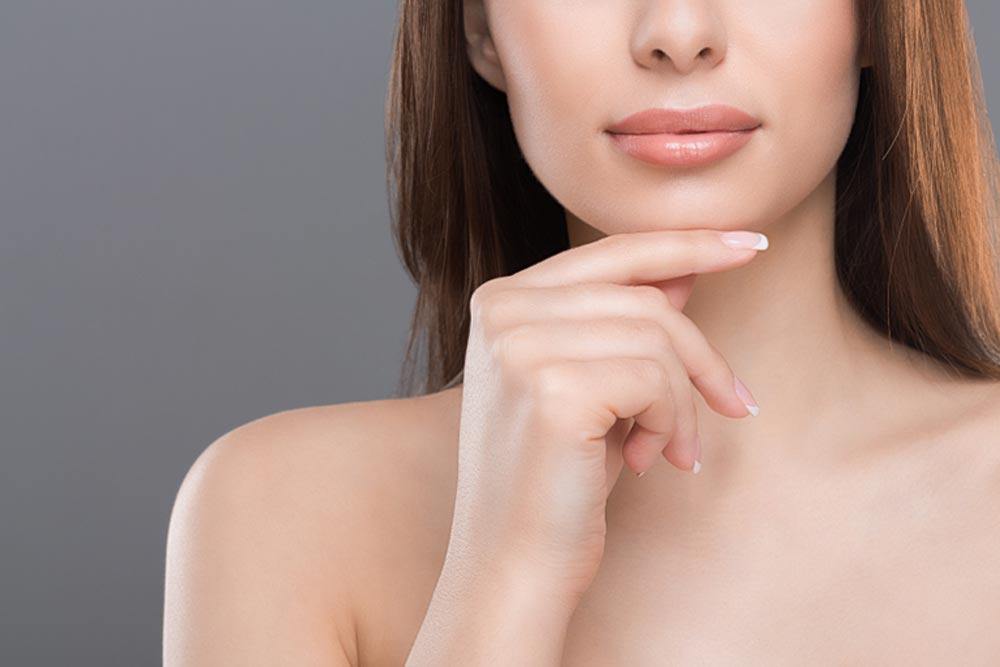
Jaw contouring: One of Today’s Most Popular Beauty Trends
A few years ago, the only way of getting jawline contouring filler treatment or tightening procedures was through surgery. Thankfully, now there are a number of non-surgical jaw contouring methods to achieve a snatched jawline.[…]
Blog
As part of our mission, we strive to educate consumers and patients on the field of non-surgical medical aesthetics. Our blog serves as an educational resource for this purpose. You'll also find out the latest news on what's happening at Therapeutic Aesthetics.